
Understanding Natural Compounds for Joint Flexibility and Mobility
Discover the science behind natural ingredients that support overall joint health and movement comfort
Educational content only. No promises of outcomes.
Understanding Joint Structure
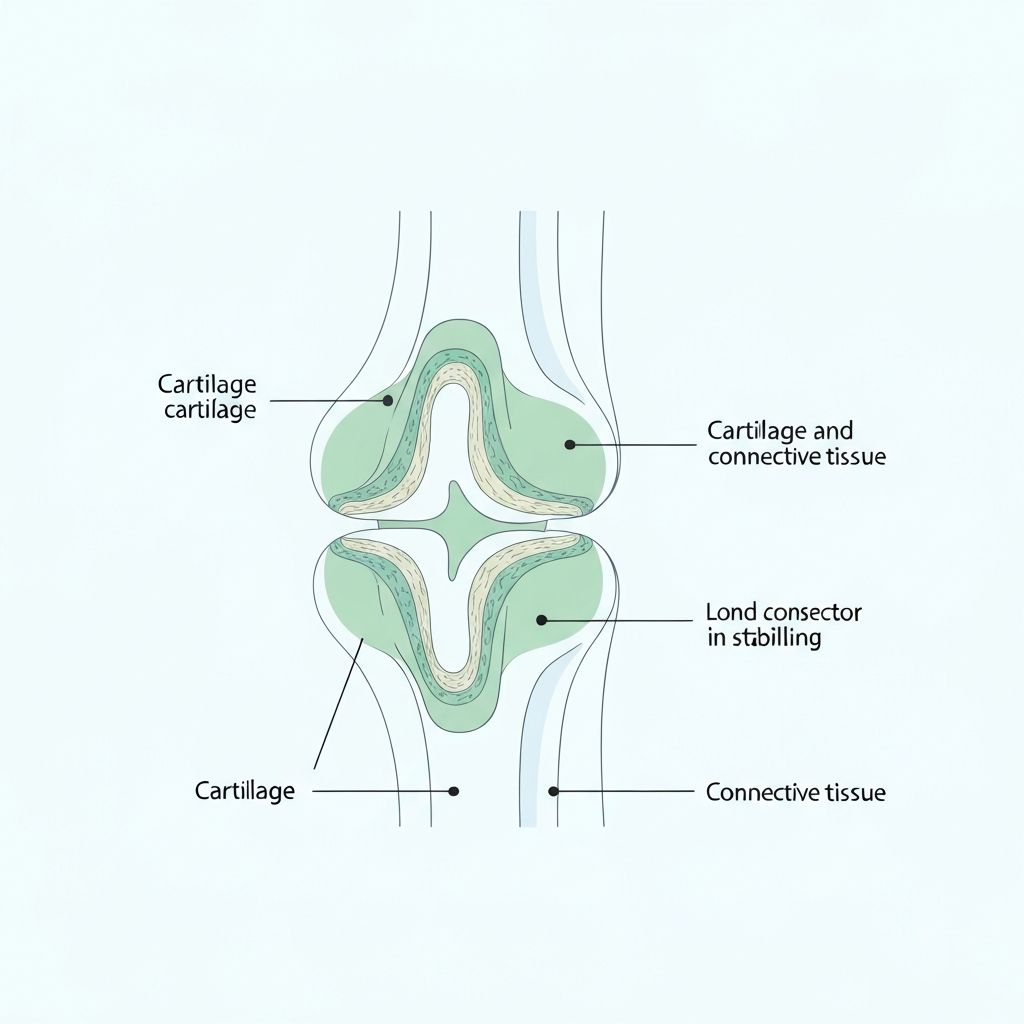
Joints are complex mechanical structures that enable movement and flexibility in the human body. They consist of bones, cartilage, ligaments, and tendons working together to facilitate motion.
Key Components
- Cartilage: A smooth, firm tissue that covers the ends of bones in a joint, reducing friction and enabling smooth movement.
- Ligaments: Tough connective tissues that hold bones together and provide stability to joints.
- Tendons: Tissues that connect muscles to bones, transmitting the force of muscular contractions to create movement.
- Synovial Fluid: A viscous substance that lubricates joints, reducing friction during movement.

The Role of Nutrition in Joint Health
Nutrition plays a significant role in supporting the structure and function of connective tissues. A balanced diet provides the building blocks necessary for cellular maintenance and overall bodily function.
Nutritional Support for Mobility
The foods we consume provide essential nutrients that support various physiological processes. For joint function, several dietary components have been studied for their potential roles in maintaining connective tissue integrity and supporting general health.
Key nutrients often associated with joint support include proteins (which contain amino acids), vitamins (such as C and D), minerals (such as calcium and magnesium), and various plant compounds with specific biological properties.
Key Natural Compounds for Flexibility
Glucosamine
An amino sugar compound naturally found in cartilage structures, studied for its role in cartilage synthesis and joint lubrication.
Chondroitin
A component of cartilage matrix that contributes to cartilage elasticity and has been researched for its structural support properties.
MSM
An organic sulfur compound found in foods that supports connective tissue structure and various cellular processes.
Turmeric
A botanical extract rich in curcumin, well-researched for its biological properties related to general wellness.
Omega-3 Fatty Acids
Essential fats important for cell membrane structure and overall health, found in fish, seeds, and nuts.
Boswellia
A traditional herbal extract that has been the subject of numerous studies related to comfort and mobility.
Glucosamine and Chondroitin: Building Blocks
Glucosamine and chondroitin are structural components found in cartilage. These compounds have been extensively studied in the context of joint health and mobility.
Understanding These Compounds
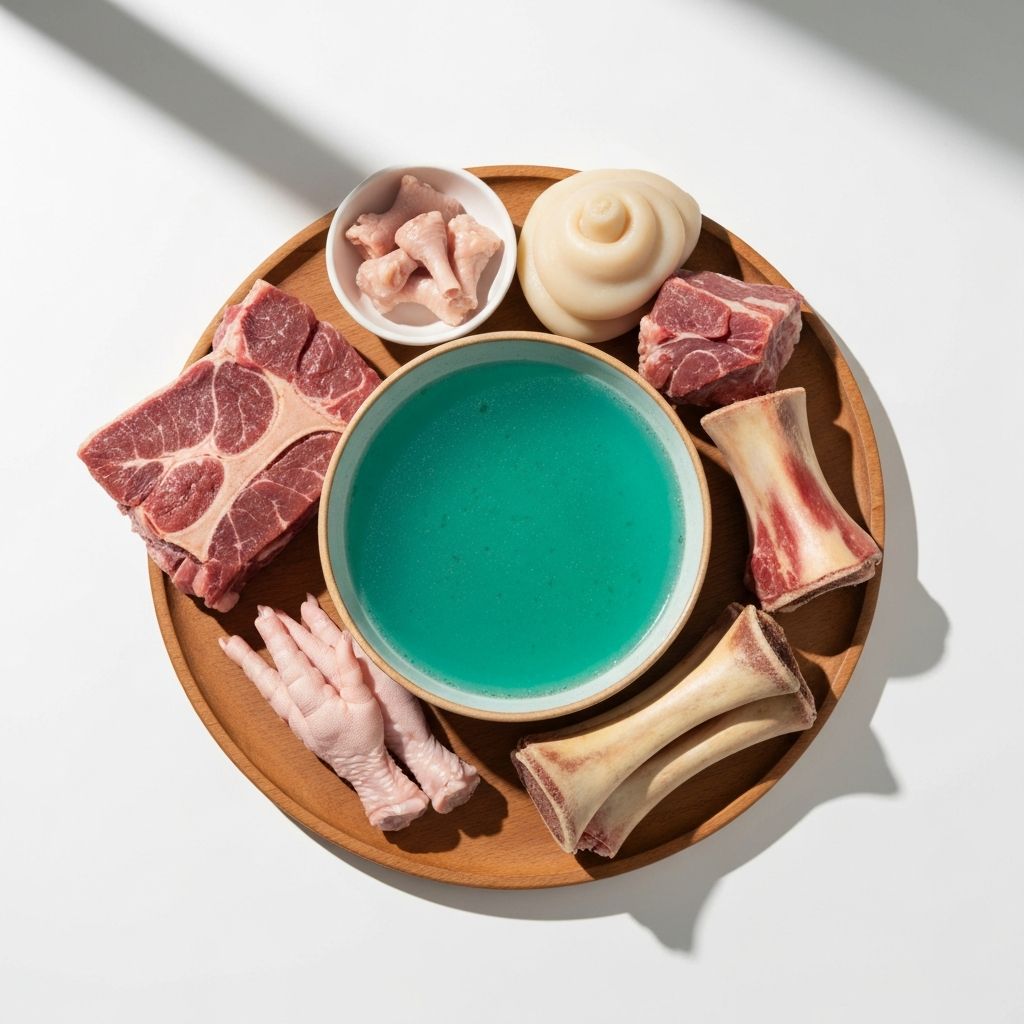
Glucosamine: An amino sugar that plays a role in the synthesis of cartilage matrix proteins. It is naturally produced in the body and found in foods containing cartilage structures, such as bone broth.
Chondroitin: A complex carbohydrate that contributes to the structural integrity of cartilage. It is typically derived from animal cartilage sources and is known for its water-binding properties in connective tissues.
These compounds work together to support the mechanical properties of cartilage, including its elasticity and ability to withstand pressure and movement.
MSM: Supporting Connective Tissues
Methylsulfonylmethane, commonly known as MSM, is an organic sulfur compound found in various foods and naturally produced in the body in small amounts.
The Role of Sulfur in Connective Tissues
Sulfur is a component of several important molecules in the body, including collagen and keratin. MSM is thought to support the structural integrity of connective tissues by providing a source of organic sulfur. Research suggests that MSM may play a role in maintaining the cross-linking of collagen fibers, which is important for tissue strength and elasticity.
Biological Properties
Beyond its structural role, MSM has been studied for various biological properties. It may support cellular processes and contribute to overall connective tissue function. Many individuals incorporate MSM-rich foods (such as garlic, onions, and cruciferous vegetables) into their diets as part of a general wellness approach.
Turmeric and Omega-3: Biological Effects
Turmeric and omega-3 fatty acids are two of the most extensively researched natural compounds in the context of general health and wellness.
Turmeric Extract
Turmeric contains curcumin, a polyphenol compound with significant scientific interest. Curcumin is known for its antioxidant properties and has been studied for its potential role in supporting various physiological processes related to comfort and mobility.
Omega-3 Fatty Acids
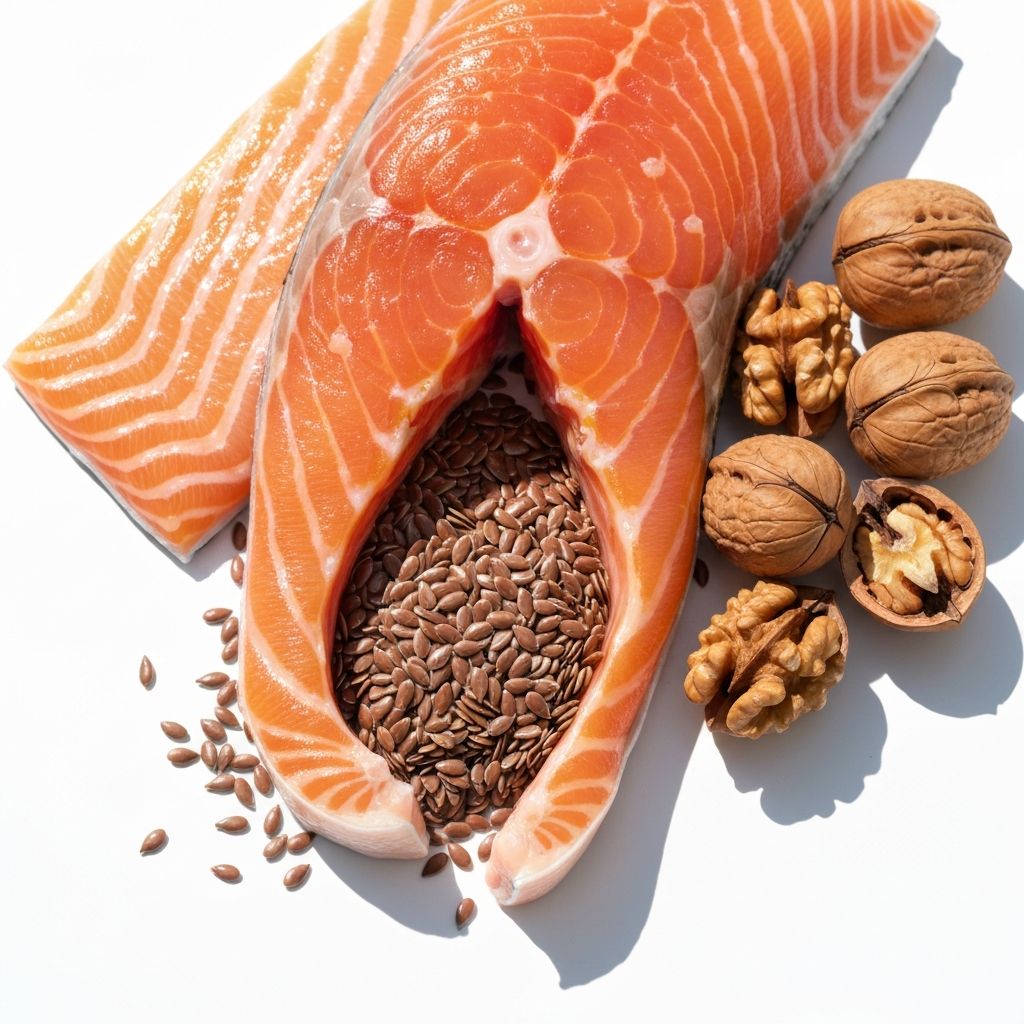
Omega-3 fatty acids are essential fats important for cell membrane structure and overall cellular health. Found naturally in fish, flaxseeds, and walnuts, these fats support various bodily functions, including cardiovascular health and general wellness.
Lifestyle Factors for Joint Well-being
Beyond dietary choices, several lifestyle factors contribute significantly to overall mobility and joint health.
Physical Activity
Regular exercise strengthens muscles around joints, improves flexibility, and maintains joint function. Gentle activities like walking, swimming, and yoga can be particularly beneficial for mobility.
Hydration
Adequate water intake supports the production of synovial fluid, which lubricates joints and reduces friction during movement.
Weight Management
Maintaining a healthy weight reduces stress on joints, particularly weight-bearing joints like knees and hips.
Sleep and Recovery
Quality sleep is essential for tissue repair and recovery. During sleep, the body performs important maintenance and restoration functions.

Herbal Extracts for Mobility
Beyond the primary compounds discussed, various other botanical extracts have been traditionally used and scientifically studied for their potential benefits to overall health and mobility.
Boswellia
A resin extract from the Boswellia sacra tree, traditionally used in Ayurvedic medicine and the subject of numerous clinical studies.
Ginger
A rhizome with active compounds studied for its potential role in supporting comfort and general wellness.
Green Tea Extract
Rich in polyphenols, green tea has been studied for its antioxidant and general health-supporting properties.
Scientific Research and Ongoing Studies
The study of natural compounds and their potential health benefits has become increasingly rigorous in recent decades. Numerous clinical trials and scientific investigations have explored the mechanisms of action and efficacy of various botanical and nutritional components.
Evidence-Based Approach
Scientific research into natural compounds involves controlled clinical trials, laboratory studies, and meta-analyses. These studies aim to understand how specific compounds interact with biological systems and contribute to health outcomes.
Ongoing Research
New studies are continuously published examining the properties of various natural ingredients. This body of research helps establish a knowledge base about which compounds may be beneficial, how they work, and what mechanisms are involved in their biological effects.
Navigating Information on Joint Support
With so much information available, it can be challenging to understand what is credible and evidence-based. Here are some principles for evaluating claims about natural compounds and joint health.
| Characteristic | Evidence-Based Information | Unreliable Claims |
|---|---|---|
| Source | Scientific publications, peer-reviewed journals, accredited institutions | Unverified testimonials, promotional materials |
| Language | Cautious, qualified, discusses mechanisms and biological processes | Absolute guarantees, miraculous claims, immediate results |
| Perspective | Presents multiple viewpoints, acknowledges limitations of current research | One-sided, dismisses contradictory evidence |
| Intent | Educational, aim to inform and explain | Promotional, designed to influence purchasing decisions |
Important Disclaimer
Educational content only. No promises of outcomes.
This website is an educational resource designed to provide information about natural compounds and their properties. The content presented here is for informational purposes only and should not be construed as medical advice, diagnosis, or treatment.
We do not provide medical recommendations, suggest replacements for professional medical advice, or claim to treat, cure, or prevent any medical condition. Individual responses to natural compounds vary, and what works for one person may not work for another.
If you have health concerns or are considering making changes to your diet or lifestyle, please consult with a qualified healthcare provider. This site is not a substitute for professional medical diagnosis, treatment, or advice.